
We use cookies to enhance your browsing experience. By continuing, you accept our Privacy Policy.
Learn simple, practical approaches to manage stress and prevent mental overload without disrupting your routine.
When there aren't enough hours in the day, constant deadlines can create a pressure cooker effect where stress compounds, leaving you mentally exhausted by evening.
Juggling multiple projects simultaneously fragments your attention. Your brain wasn't designed for constant multitasking—it craves focus but gets chaos instead, draining cognitive resources rapidly.
From what to eat for breakfast to complex work choices, you make thousands of decisions daily. Each one depletes your mental battery, which can affect judgment quality.
Short, planned pauses help reset focus and maintain energy levels throughout your day. Even five minutes can make a significant difference in mental clarity.
Identifying what truly matters reduces unnecessary effort and clarifies your path forward. Focus on high-impact activities that align with your goals.
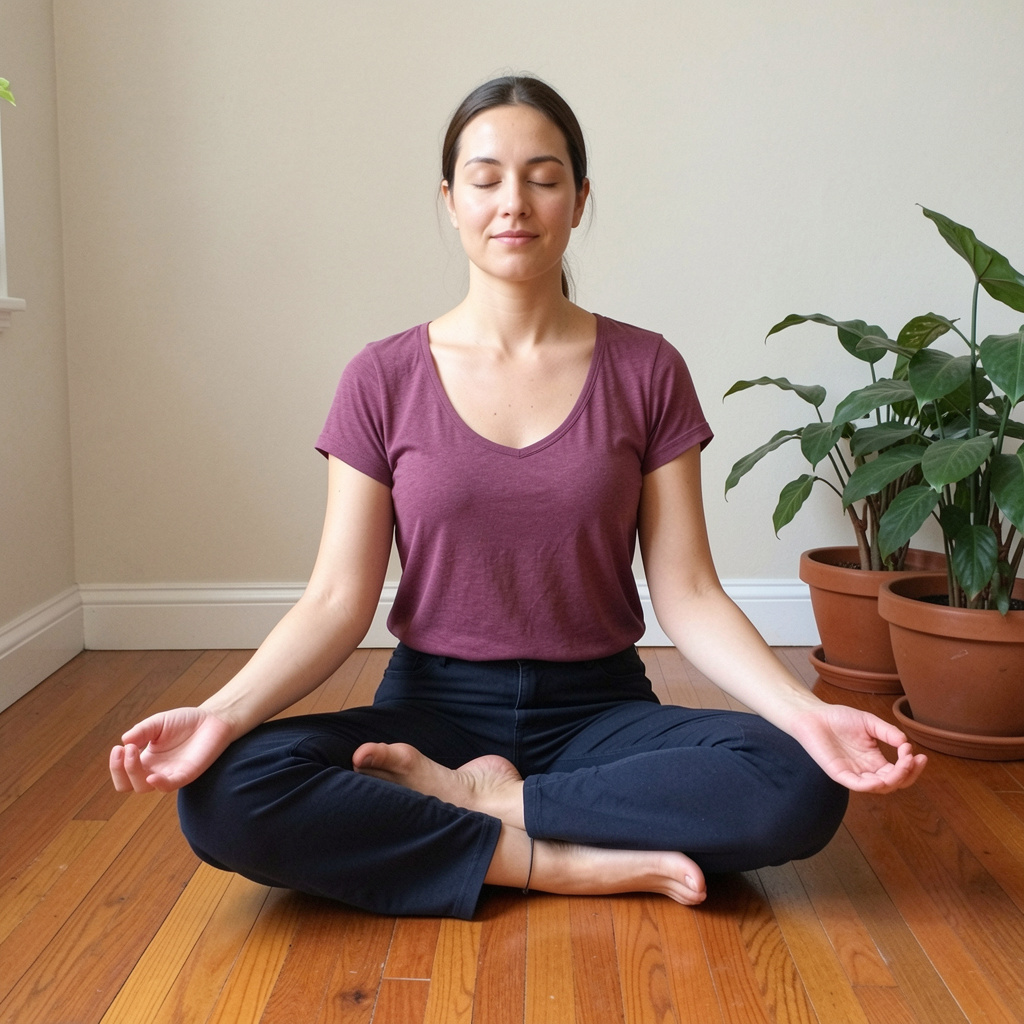
Brief awareness exercises create mental space and improve emotional regulation. These practices help you respond thoughtfully rather than react impulsively.
A comprehensive handbook with actionable strategies for daily stress management. Includes practical techniques based on established methods.
Guided audio sessions designed to support concentration and mental clarity. Suitable for professionals managing busy schedules.
A structured framework for organizing tasks and managing time. Helps create clear, manageable action plans for daily activities.
"I used to end every workday completely drained. After implementing these structured break techniques, I actually have energy left for my family in the evenings. Game changer."
"The priority-setting approach helped me stop spinning my wheels on busy work. Now I focus on what actually moves the needle. My stress dropped, my results improved."
"I was skeptical about breathing exercises making any real difference. Two weeks in, I'm sleeping better and handling difficult conversations with way more composure. Genuinely surprised."
Individual results may vary. These testimonials reflect personal experiences and are not guarantees of specific outcomes.
Three straightforward steps to transform your relationship with daily stress
What sends your stress levels soaring? Maybe it's morning emails, back-to-back meetings, or that 3 PM energy crash. Pinpointing your specific triggers is the first step to managing them effectively.
Choose strategies that actually fit your life. No need for hour-long meditation sessions—start with 2-minute breathing exercises or a quick walk around the block. Small actions create big changes.
Notice the shifts. Are you sleeping better? Feeling less reactive? Keep a simple log to see what's working. Adjust your approach based on real results, not wishful thinking.
Implementing stress reduction techniques brings measurable improvements to your daily life and overall well-being.
Experience improved focus and decision-making abilities throughout your day.
Feel more energized and capable of handling daily responsibilities with ease.
Maintain composure and respond to challenges with greater emotional stability.
Accomplish more in less time by working smarter, not harder.
Answers to the questions we hear most often about managing daily stress
Many people notice subtle shifts within a few days of consistent practice. Better sleep, clearer thinking, and improved mood often appear first. More significant changes typically emerge after several weeks of regular application.
Absolutely not. Your breath, your awareness, and a few minutes of time are all you need. These techniques work anywhere—at your desk, in your car, or during a bathroom break.
Start with just 5 minutes—one breathing exercise in the morning, one at lunch. As you experience the benefits, you may naturally want to expand your practice.
These are evidence-based techniques that have been used by many people across different professions and lifestyles. While individual results vary, most people find at least 2-3 methods that work well for their situation.
Reach out to discover personalized strategies that fit your unique needs and support a calmer, more focused life.